top of page

Pre-K and Kindergarten Readiness Program
(Ages 4-5)

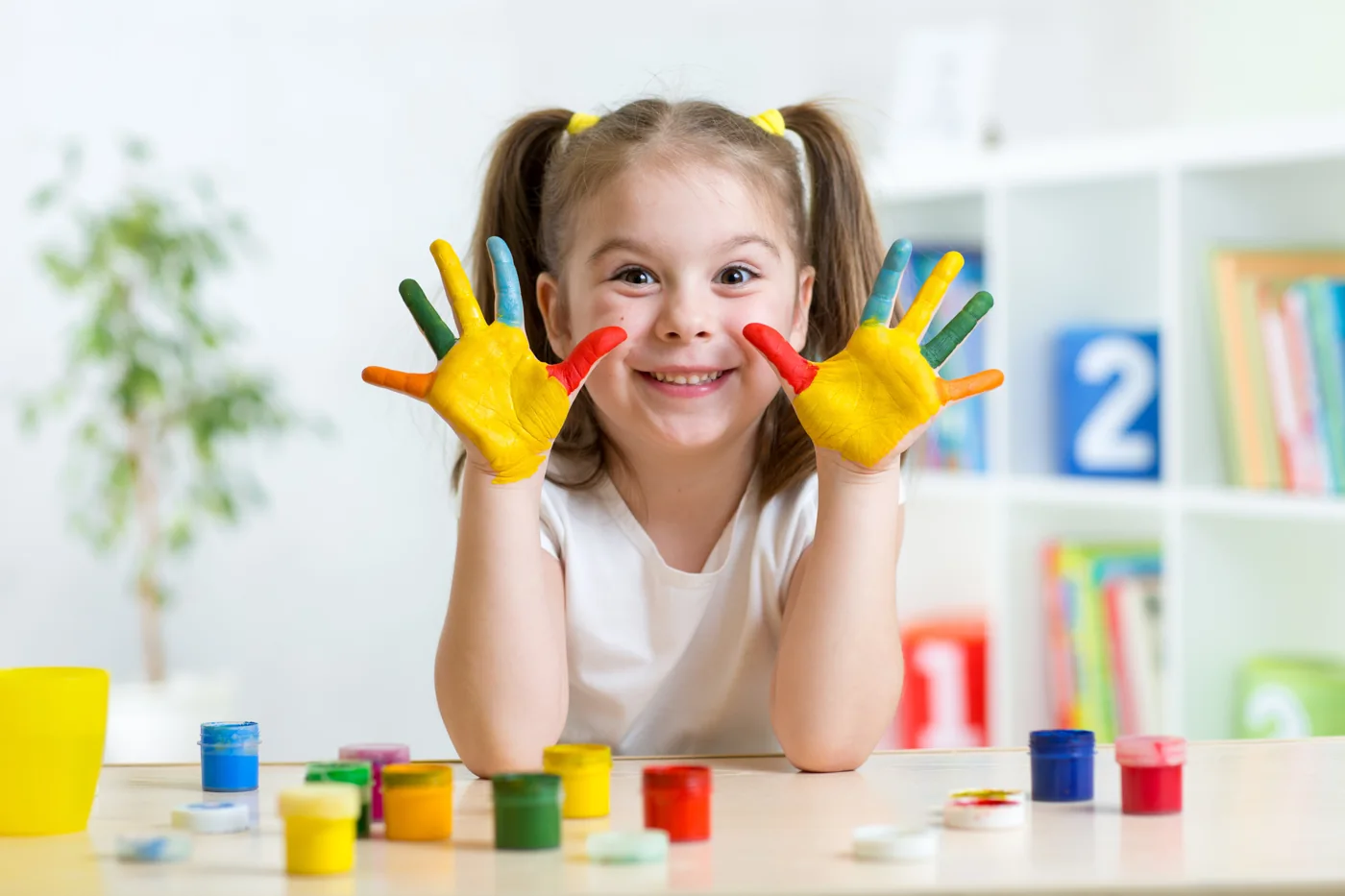
great-beginnings-preschool-child-painting-and-learning-through-art.jpg

Ages 4–5 are a big step toward kindergarten. Children are learning to follow longer directions, work in groups, and build the early reading and math skills they will use every day in elementary school. Many families searching kindergarten readiness near me are really looking for a program that supports confidence and learning, not just care.

Great Beginnings’ Pre K and Kindergarten Readiness Program helps children grow in the areas that matter most for a smooth transition: phonics and early literacy, early math, fine motor skills, classroom routines, independence, and social-emotional maturity. We also reinforce Christian character in age-appropriate ways through kindness, respect, gratitude, and self-control.

Schedule a tour and choose a day and time that works best for your family.

What Kindergarten Readiness Really Means at Age 4–5

Kindergarten readiness is more than knowing letters and numbers. It is also the ability to participate in a classroom, follow directions, handle transitions, and keep going when something feels hard.

Readiness includes academics and classroom habits

Children do best when they have practiced listening, early literacy and phonics routines, early math thinking, fine motor control, social confidence with peers, emotional regulation, and simple independence skills that make the school day feel manageable.

Confidence Comes From Routine

Kindergarten moves quickly, and children feel more confident when they know what comes next. In Pre K, children practice calm transitions, participating in group time, and completing tasks before moving on.

Classroom routines that reduce first-week stress

Children learn classroom habits like listening while others speak and following one-step and two-step directions. These routines help children walk into kindergarten feeling secure and capable.

Early Literacy and Phonics Foundations

At ages 4–5, children benefit from daily exposure to letters, sounds, and stories in ways that feel fun and achievable.

Letter sounds, language growth, and story comprehension

We build early literacy skills through letter recognition, phonics routines, rhyming and sound awareness, vocabulary growth, and story comprehension. Children practice listening to stories, retelling simple ideas, and answering basic questions, which supports strong kindergarten reading readiness.

Want a deeper look at what we teach throughout the year? Visit Curriculum.

great-beginnings-preschool-teacher-reading-story-to-children-in-classroom.jpg

Early Math Skills That Show Up Everywhere

Early math readiness shows up in everyday moments. Children build number confidence by counting objects with accuracy, recognizing numbers, noticing patterns, and sorting by different attributes.

Number sense through hands-on learning

Children also learn comparison concepts like more and less, longer and shorter, and heavier and lighter. These hands-on skills support problem-solving and confidence throughout the kindergarten day.

Fine Motor Skills and Pre-Writing Strength

Writing and cutting take strength and coordination. In Pre K, children build fine motor control through tracing, drawing, guided writing practice, cutting activities, art projects, and hands-on tasks that strengthen fingers and hand muscles.

Confidence with pencils, scissors, and classroom tasks

As these skills improve, children often feel more confident in a kindergarten classroom where many activities involve writing, cutting, and managing supplies.

great-beginnings-preschool-character-development-learning.jpg

Social and Emotional Readiness

Kindergarten is social, and readiness includes being able to handle friendships and emotions. Children practice taking turns, sharing, cooperating in group activities, and using words when they feel frustrated.

Learning to solve small problems with guidance

Teachers guide children through everyday moments so children learn patience, problem-solving, and how to recover after conflict.

Teacher-Guided Learning That Still Feels Like Childhood

At ages 4–5, children are ready for more teacher-guided learning, but they still need movement, creativity, and play.

Structure and play working together

Our readiness approach blends structured learning with hands-on activities so children stay engaged while building attention, listening, and classroom participation.

Faith-Based Character Lessons

Great Beginnings is a Christian preschool and childcare community. In Pre K, faith shows up through character habits children can practice right away: kindness, respect, gratitude, and self-control.

Christian character in everyday moments

Teachers guide behavior with steady expectations and age-appropriate language so children learn what to do next, not just what to stop doing.

Communication Skills and Listening

Kindergarten requires children to listen carefully, speak clearly, and participate in group learning.

Speaking clearly and listening well

Children strengthen communication through daily conversations, sharing time, story listening, comprehension questions, and vocabulary building. These skills help children feel confident expressing needs and understanding classroom directions.

How We Support Independence

Independence helps kindergarten feel less overwhelming. Children practice managing belongings, cleaning up after activities, following routines with fewer reminders, and taking on age-appropriate responsibilities.

Small responsibilities that build big confidence

These skills reduce stress and help children feel capable during the first weeks of kindergarten.

Kindergarten Readiness Checklist for Ages 4–5

Here are a few signs your child is building strong readiness skills:

  • Follows simple two-step directions

  • Participates in group activities with growing attention

  • Recognizes some letters and enjoys books

  • Counts objects and notices patterns

  • Uses words to solve small problems with friends

  • Handles transitions with more confidence

  • Tries pre-writing motions (lines, shapes, name attempts)

  • Manages basic independence like cleaning up and washing hands


Children do not need every skill mastered. The goal is steady growth and confidence.

great-beginnings-preschool-stem-building-activity.jpg

How We Keep Parents in the Loop

Parents should never have to guess how their child is doing. Teachers support growth through daily routines and consistent guidance, and we share observations that help you understand progress in readiness skills, classroom habits, and social development.

Parent Quick Answers

  • Kindergarten readiness includes academics and classroom habits like listening, transitions, and independence.

  • Pre K learning strengthens early literacy and phonics through daily practice.

  • Early math readiness includes counting, patterns, sorting, and number recognition.

  • Fine motor development supports writing, cutting, and classroom confidence.

  • Social and emotional readiness helps children manage friendships, frustration, and group routines.

  • Faith-based character lessons reinforce kindness, respect, and self-control in everyday moments.

  • Schedule a tour and choose a day and time that works best for your family.

  • Want to see the full program path across ages? Visit Programs.

  • Many parents appreciate our clean-environment approach. Learn more on Chemical-Free Schools.


Program Highlights

  • Phonics-based early literacy foundations

  • Early math skills through hands-on learning

  • Fine motor development and pre-writing strength

  • Social and emotional readiness support

  • Classroom routines that build confidence

  • Teacher-guided learning with engaging activities

  • Faith-based character development

  • Communication and listening practice

  • Independence and self-help routines


Is This Program a Fit?

  • My child is 4–5 and preparing for kindergarten soon

  • I want a stronger readiness focus than basic daycare or childcare

  • My child would benefit from classroom structure and routines

  • Social skills and emotional maturity are a priority for our family

  • Early literacy and phonics are goals for our child

  • Fine motor and pre-writing strength are goals for our child

  • Faith-based character development matters to our family

What a Pre-K Day Typically Includes

A typical Pre K day includes predictable routines, group time with stories and songs, learning centers and small groups, early literacy and math activities, outdoor play and movement, art and fine motor work, snack routines, and calm transitions.

A day designed for readiness and joy


The structure prepares children for kindergarten expectations while keeping learning engaging and age-appropriate.

great-beginnings-preschool-teacher-guiding-children-with-building-blocks.jpg

Choosing the Best Campus for Your Family

This Pre K and Kindergarten Readiness program page is designed for all campuses. The best way to choose a location is to tour, ask questions, and get a feel for the classroom environment.

You can explore each campus preschool page here:


You can also browse program overviews by campus here:


And for a full overview of all programs, visit: Programs

Ready to Visit? Schedule a Tour

The best way to know if a toddler program is right for your child is to see it in person. When you tour, you can observe the classroom rhythm, the teacher tone, and how toddlers are guided through the day.

To schedule, use the Schedule Tour button on our website to choose a day and time that works for you.

If your child is approaching the next stage, you may also want to explore:

Toddler Program
(Ages 1-2)

Preschool Program for 3 Year Olds

​Summer Preschool Programs

Pre K Program Questions Parents Ask Most

What ages are included in this program?

This program is designed for children ages 4–5 who are preparing for kindergarten and the structure of elementary school.

What skills are most important for kindergarten readiness?

Listening, following directions, early literacy and phonics, early math, fine motor strength for writing, social emotional maturity, and independence with simple routines.

Is this program academic or play-based?

It is both. Children build readiness skills through teacher-guided learning, small groups, and hands-on play that keeps learning engaging and age-appropriate.

How do you support behavior and social growth in Pre K?

Teachers use consistent routines, clear expectations, and calm guidance. Children practice sharing, problem-solving, and managing big feelings in everyday classroom moments.

What does a typical Pre K day include?

A typical day includes group time, learning centers, early literacy and math activities, outdoor play, art and fine motor work, and steady routines that build independence.

Can I schedule a tour online?

Yes. Use the Schedule a Tour option to choose a day and time that works best for your family.

©1990-2026 Great Beginnings Preschool. All Rights Reserved.

  • Facebook
  • YouTube
bottom of page